Cold Smoke vs. Hot Smoke: Choosing the Right Technique for Flavor and Texture
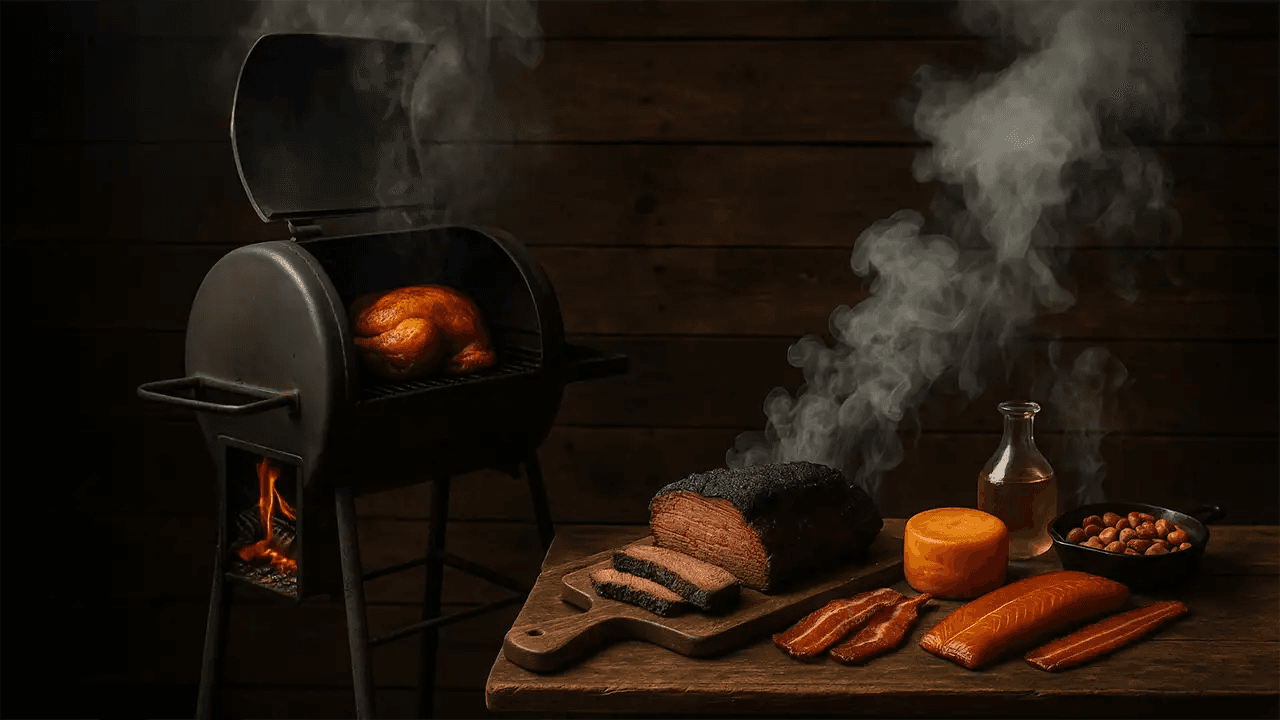
Smoking isn’t just a cooking method — it’s a craft. Whether you’re curing meats, finishing BBQ, or adding subtle aromas to ingredients, knowing when to cold smoke vs. hot smoke can completely change the final outcome. Both techniques offer incredible flavor, but they serve very different purposes. Here’s how to choose the right method depending on your food and your goal.
What Is Cold Smoking?
Cold smoking exposes food to flavorful smoke without actually cooking it. Temperatures stay low — typically 60°F to 90°F — providing smoke infusion without rendering fat or changing texture.
Because there’s no cooking involved, cold smoking is often combined with curing or dehydrating to ensure food safety.
Best Uses for Cold Smoking
Cold smoking is ideal when you want smoke flavor without heat:
- Cheese (cheddar, gouda, mozzarella)
- Butter and cream cheese
- Salt and seasonings
- Nuts
- Fish after curing (salmon, trout)
- Bacon before the final cook
- Garlic, onions, and peppers
- Cocktails (smoke-washed glass or smoked ice)
Why Choose Cold Smoking?
Use cold smoke when your goal is subtle flavor, no melting, and no texture change. It’s perfect for ingredients that would break or liquefy under heat.
What Is Hot Smoking?
Hot smoking cooks and smokes food at the same time, generally between 180°F and 275°F, depending on the protein and style of BBQ.
Unlike cold smoking, this method fully cooks the meat, breaks down connective tissue, and melts fat — giving you tender, juicy results.
Best Uses for Hot Smoking
Hot smoking is the go-to method for classic BBQ:
- Brisket
- Ribs
- Pork shoulder
- Chicken wings and whole birds
- Sausage
- Turkey